meta_title: "Equipment Maintenance Guide: Programs, Checklists & Best Practices" meta_description: "Complete equipment maintenance guide for industrial and commercial operations. Learn programs, schedules, checklists, and best practices to maximize uptime and reduce costs." url: "/equipment-maintenance-guide/" target_keyword: "equipment maintenance" target_rankings: "40+ keywords" schema: ["Article", "FAQPage"]
Equipment Maintenance: Complete Guide to Industrial & Commercial Equipment Care
Equipment maintenance is the foundation of reliable industrial and commercial operations. Whether you're managing a manufacturing plant, food processing facility, or commercial operation, your equipment's performance directly impacts productivity, safety, and profitability. Poor maintenance practices lead to unexpected breakdowns, costly emergency repairs, safety hazards, and lost revenue. Conversely, well-maintained equipment delivers consistent performance, extended service life, and predictable operating costs.
This comprehensive guide covers everything you need to know about equipment maintenance, from establishing preventive maintenance programs to implementing best practices across various industries. You'll learn how to develop effective maintenance schedules, create actionable checklists, reduce downtime, and optimize maintenance costs. Whether you're responsible for CNC machines, processing equipment, production lines, or commercial machinery, this guide provides practical strategies to keep your equipment running at peak efficiency.
What is Equipment Maintenance?
Equipment maintenance is the systematic practice of inspecting, servicing, repairing, and optimizing industrial and commercial machinery to ensure reliable operation, prevent failures, and extend equipment lifespan. It encompasses scheduled preventive tasks, condition monitoring, corrective repairs, and performance optimization across all production and operational equipment.
This definition captures the comprehensive nature of modern maintenance programs, which integrate multiple strategies to balance equipment reliability with cost efficiency. Effective equipment maintenance requires planning, documentation, skilled technicians, appropriate tools, and management commitment to sustain operations without unexpected interruptions.
Equipment Maintenance Defined
Comprehensive Understanding of Equipment Maintenance
Equipment maintenance encompasses all activities performed to keep machinery, tools, and industrial systems operating at optimal performance levels. It's a proactive discipline that combines scheduled inspections, routine servicing, component replacement, performance monitoring, and necessary repairs to prevent equipment failures and maximize asset utilization.
The scope of equipment maintenance extends beyond simple repairs to include lubrication, calibration, cleaning, adjustment, testing, condition monitoring, parts replacement, and performance optimization. Each maintenance activity serves specific purposes: preventing premature wear, detecting early failure signs, supporting the approved safety process, maintaining product quality, and optimizing operational efficiency.
Types of Equipment Covered
Manufacturing Equipment includes CNC machines, lathes, mills, presses, stamping equipment, welding systems, assembly line machinery, robotics, and automated production systems. These assets require precise maintenance to maintain tolerances, surface finishes, and production quality.
Industrial Machinery encompasses compressors, pumps, motors, generators, turbines, boilers, heat exchangers, cooling towers, and HVAC systems. These critical support systems demand regular maintenance to ensure continuous facility operations.
Commercial Equipment includes refrigeration systems, commercial ovens, packaging machinery, material handling equipment, lifts, conveyors, and specialized business equipment. Maintenance prevents service interruptions that directly impact customer satisfaction and revenue.
Production Equipment covers injection molding machines, extruders, coating systems, drying equipment, mixing machinery, and process-specific production assets. Proper maintenance ensures consistent product quality and prevents costly production delays.
Processing Equipment includes reactors, distillation columns, separators, filters, crushers, grinders, and industry-specific processing machinery. These assets often operate in demanding conditions requiring rigorous maintenance protocols.
Equipment Maintenance Goals
Effective equipment maintenance programs pursue multiple interconnected objectives. Primary goals include maximizing equipment availability and uptime, extending asset service life, ensuring operator and workplace safety, maintaining product quality consistency, reducing total maintenance costs, improving energy efficiency, supporting the organization’s compliance process, and optimizing overall equipment effectiveness (OEE).
Organizations measure maintenance success through key performance indicators including mean time between failures (MTBF), mean time to repair (MTTR), planned maintenance percentage, maintenance cost per unit produced, equipment availability percentage, and overall equipment effectiveness scores.
Maintenance vs Repair Distinction
Understanding the difference between maintenance and repair is fundamental to program design. Maintenance is proactive, scheduled work performed to prevent failures and maintain equipment condition. It's planned, budgeted, and executed during scheduled downtime to minimize operational disruption.
Repair is reactive work performed after equipment failure or malfunction. Repairs are typically unplanned, more expensive due to emergency response, and cause unexpected production interruptions. While repairs will always be necessary, effective maintenance programs minimize repair frequency by preventing failures before they occur.
AI-generated editorial illustration; not a customer photograph or product screenshot.
Types of Equipment Maintenance
Modern equipment maintenance strategies employ multiple approaches, each serving specific purposes within a comprehensive maintenance program. Understanding these maintenance types helps organizations develop balanced strategies aligned with equipment criticality, operational requirements, and budget constraints.
Preventive Equipment Maintenance
Preventive equipment maintenance is scheduled, routine work performed at predetermined intervals regardless of equipment condition. This proactive approach aims to prevent failures by replacing wear components, lubricating moving parts, cleaning systems, and adjusting settings before problems develop.
However, preventive maintenance can result in replacing components with remaining useful life and requires dedicated resources for scheduling and execution. Balancing maintenance frequency against these factors optimizes program effectiveness.
Predictive Equipment Maintenance
Predictive equipment maintenance uses condition monitoring technologies to determine actual equipment health and predict when maintenance should be performed. Rather than following fixed schedules, maintenance occurs based on equipment condition indicators, optimizing maintenance timing and resource utilization.
Condition Monitoring Technologies include vibration analysis detecting bearing wear and shaft misalignment, thermal imaging identifying hot spots indicating electrical problems or friction, oil analysis revealing contamination and component wear, ultrasonic testing detecting leaks and electrical discharge, and motor current analysis identifying electrical and mechanical issues.
A manufacturing plant might use vibration sensors on critical pumps and motors, thermal cameras for electrical panel inspections, and oil sampling on hydraulic systems. When condition indicators exceed predetermined thresholds, maintenance work orders are automatically generated.
Corrective Equipment Maintenance
Corrective equipment maintenance addresses problems after they're detected but before complete failure occurs. When inspections reveal issues like unusual noise, vibration, temperature changes, or performance degradation, corrective actions are taken to restore normal operation.
This approach differs from reactive repair, which occurs after complete failure. Corrective maintenance is semi-planned, allowing time to schedule work, obtain parts, and minimize production impact. A technician noticing pump cavitation during routine inspection might schedule impeller replacement during the next planned shutdown rather than waiting for pump failure.
Corrective maintenance serves as a safety net, catching problems that preventive schedules miss and addressing issues discovered during routine inspections. It's particularly valuable for non-critical equipment where some degradation is acceptable before intervention.
Condition-Based Maintenance
Condition-based maintenance continuously monitors equipment performance parameters, triggering maintenance activities when specific conditions are met. Unlike predictive maintenance's advanced analytics, condition-based approaches use simple threshold monitoring.
Examples include replacing air filters when pressure differential reaches specified levels, changing oil when contamination sensors trigger alerts, servicing equipment when running hours reach thresholds, and performing maintenance when performance metrics drop below acceptable ranges.
A packaging line might monitor seal temperature, actuator cycle counts, and vision system errors. When any parameter exceeds limits, maintenance is automatically scheduled. This approach balances proactive maintenance with resource optimization.
Strategic Equipment Maintenance by Criticality
Effective equipment maintenance programs apply different strategies based on equipment criticality. Critical equipment affecting safety, quality, or production receives intensive preventive and predictive maintenance. Important equipment gets regular preventive maintenance with some condition monitoring. Non-critical equipment may receive minimal preventive maintenance or run-to-failure approaches.
This risk-based strategy optimizes maintenance resources, focusing intensive efforts where failures have the greatest impact while accepting higher risk on equipment with minimal consequences.
AI-generated editorial illustration; not a customer photograph or product screenshot.
Equipment Maintenance Program Essentials
Establishing a comprehensive equipment maintenance program requires systematic planning, documentation, and continuous management. Well-designed programs integrate people, processes, and technology to deliver reliable equipment performance while optimizing maintenance costs.
Equipment Inventory and Categorization
Begin by creating a complete equipment inventory documenting every asset requiring maintenance. Each equipment record should include identification numbers, location, manufacturer details, model and serial numbers, installation date, purchase cost, specifications, and criticality classification.
Categorize equipment by function (production, utility, support), process area, criticality level (critical, important, non-critical), and maintenance requirements. This categorization enables targeted maintenance strategies aligned with operational priorities and risk management.
Criticality Assessment
Equipment criticality assessment evaluates potential failure impact on safety, production, quality, regulatory compliance, and costs. Critical equipment includes assets where failure creates safety hazards, stops production, causes quality issues, violates regulations, or requires expensive emergency repairs.
A pharmaceutical manufacturer might classify tablet presses, sterile processing equipment, and environmental control systems as critical due to GMP compliance and production impact. Warehouse forklifts might be important but not critical if backup units are available. Office equipment typically rates as non-critical.
Maintenance Schedules by Equipment Type
Develop maintenance schedules for each equipment category, specifying tasks, frequencies, estimated durations, required skills, and necessary parts. Schedules should align with manufacturer recommendations while adjusting for actual operating conditions and organizational experience.
Manufacturing Equipment Schedules typically include daily operator inspections, weekly lubrication and adjustment, monthly preventive maintenance with detailed inspections, quarterly precision checks and calibration, and annual major overhauls or rebuilds.
Processing Equipment Schedules emphasize cleaning protocols, contamination prevention, seal integrity checks, corrosion monitoring, and process parameter verification. Food processing equipment requires daily sanitation, weekly deep cleaning, and monthly preventive maintenance coordinated with production schedules.
Utility Equipment Schedules focus on operational reliability with daily monitoring, weekly functional testing, monthly performance verification, quarterly detailed inspections, and annual major service events.
Standard Operating Procedures (SOPs)
Document standard operating procedures for every maintenance activity, ensuring consistent execution regardless of which technician performs the work. SOPs should include step-by-step instructions, required tools and materials, safety precautions, quality checkpoints, and documentation requirements.
Well-written SOPs reduce training time, ensure consistent quality, improve safety, and capture organizational knowledge. They're essential for regulatory compliance in industries like food processing, pharmaceuticals, and medical device manufacturing.
Parts Inventory Management
Maintain appropriate spare parts inventory to support maintenance activities without excessive capital tied up in stock. Critical spare parts for equipment with long lead times or single-source suppliers require higher inventory levels. Fast-moving consumables need systematic replenishment.
Implement min/max inventory levels, reorder points, and supplier relationships ensuring parts availability when needed. CMMS integration automates parts usage tracking and reordering processes.
Documentation Requirements
Comprehensive documentation captures maintenance history, providing data for reliability analysis, warranty claims, regulatory compliance, and continuous improvement. Document every maintenance activity including date, work performed, parts used, labor hours, findings, and follow-up requirements.
Regulatory environments like FDA-regulated facilities require extensive documentation demonstrating equipment qualification, calibration, preventive maintenance completion, and deviation investigations. Even non-regulated operations benefit from thorough documentation supporting failure analysis and maintenance optimization.
Program Goals and KPIs
Regular KPI review identifies improvement opportunities and demonstrates maintenance program value to organizational leadership.
Equipment Maintenance Checklist
Systematic checklists ensure consistent maintenance execution and prevent oversight of critical tasks. Effective checklists are frequency-based, equipment-specific, and designed for easy completion and documentation.
Daily Equipment Checks
Daily checks performed by equipment operators catch developing problems early while building operator ownership of equipment condition. Operators should complete brief inspections at shift start, during operation, and at shift end.
Visual Inspections include checking for fluid leaks (oil, coolant, hydraulic fluid), unusual wear or damage, loose fasteners or connections, proper guards and safety devices in place, clean work areas without debris buildup, proper lighting and visibility, and unusual rust or corrosion.
Performance Monitoring involves listening for unusual noises (grinding, squealing, knocking), feeling for excessive vibration or heat, watching for erratic operation or cycling, verifying normal operating speeds and pressures, checking product quality for consistency, and confirming all indicators and gauges read normally.
Safety Checks verify emergency stops function properly, guards and barriers are intact and positioned correctly, lockout/tagout devices are available and functional, warning labels are visible and legible, work area is clear of hazards, and personal protective equipment is available.
Weekly Maintenance Tasks
Weekly maintenance provides more thorough inspection and servicing than daily checks while remaining manageable within normal operations. These tasks typically occur during planned downtime or shift changes.
Lubrication follows equipment-specific lubrication charts, applying appropriate lubricants to bearings, gears, chains, slides, and other moving components. Document lubrication completion, note any unusual consumption patterns, and check for contamination.
Adjustments include belt tension verification and adjustment, chain tension and alignment, sensor calibration checks, control setting verification, fluid level topping off, and minor timing adjustments.
Basic Cleaning removes accumulated dirt, debris, dust, and residue that accelerates wear and interferes with operation. Clean cooling fins, filters, sensors, switches, and accessible components. In food processing, this includes sanitation protocol compliance.
Monthly Preventive Maintenance
Monthly preventive maintenance represents the core of most equipment maintenance programs, providing comprehensive inspection and servicing to prevent failures while balancing resource requirements.
Detailed Inspections examine electrical connections for tightness and corrosion, bearings for noise and temperature, belts for wear and proper tension, chains for wear and lubrication, seals for leaks and damage, fasteners for tightness, structural components for cracks or damage, and safety devices for proper function.
Component Replacement includes filters (air, oil, hydraulic, coolant), worn belts showing cracks or glazing, degraded seals and gaskets, expired time-sensitive components, and items reaching replacement intervals per manufacturer recommendations.
Testing verifies control system operation, sensor accuracy and calibration, alarm and shutdown systems, backup systems and redundancy, and equipment performance against specifications.
Quarterly and Annual Tasks
Quarterly and annual maintenance involves major servicing typically requiring equipment downtime, specialized skills, and significant parts investment. These activities address components with longer service intervals and perform comprehensive equipment evaluation.
Major Overhauls include bearing replacement and repacking, seal and gasket replacement throughout, electrical component inspection and replacement, precision alignment of rotating equipment, hydraulic system servicing and fluid replacement, pneumatic system inspection and servicing, and structural repairs and reinforcement.
Calibration ensures measurement and control instruments maintain accuracy within specifications. Critical instruments in quality-sensitive operations require documented calibration traceable to national standards.
Professional Servicing brings in manufacturer representatives or specialized contractors for sophisticated equipment requiring special tools, training, or expertise. Examples include robot servicing, specialized process equipment, building automation systems, and complex control systems.
Equipment-Specific Checklists
Generic checklists provide frameworks, but equipment-specific checklists deliver maximum value by addressing unique maintenance requirements.
Manufacturing Equipment Checklists for CNC machines include coolant concentration testing, way lubrication, ball screw inspection, tool changer function verification, spindle run-out measurement, and program backup verification.
Processing Equipment Checklists for mixers include agitator seal inspection, gear reducer oil sampling, shaft alignment verification, bearing temperature monitoring, motor current measurement, and product contact surface inspection.
Material Handling Equipment Checklists for conveyors include belt tracking and wear inspection, roller rotation verification, drive chain wear measurement, motor and gearbox temperature monitoring, sensor function testing, and emergency stop verification.
Develop specific checklists for each critical equipment type, incorporating manufacturer recommendations, regulatory requirements, and organizational experience.
AI-generated editorial illustration; not a customer photograph or product screenshot.
Equipment Maintenance Best Practices
Implementing best practices elevates equipment maintenance from basic compliance to competitive advantage. These practices represent industry-leading approaches refined through decades of operational excellence development.
Establish Comprehensive Preventive Maintenance Schedules
Move beyond reactive repairs to proactive prevention. Develop detailed preventive maintenance schedules for every equipment asset, balancing manufacturer recommendations with actual operating conditions. Calendar-based and meter-based triggers ensure maintenance occurs at optimal intervals.
Use CMMS for Equipment Tracking
Computerized Maintenance Management Systems (CMMS) transform maintenance from paper-based chaos to data-driven optimization. CMMS platforms centralize equipment records, automate work order generation, track maintenance history, manage parts inventory, schedule preventive maintenance, analyze failure patterns, and measure program performance.
Train Operators on Daily Equipment Care
Equipment operators are the first line of defense against failures. Comprehensive operator training on proper equipment operation, daily inspection procedures, basic troubleshooting, minor adjustments, lubrication requirements, and problem reporting creates a culture of equipment ownership.
Autonomous maintenance programs formalize operator involvement, teaching operators to maintain their equipment, identify abnormalities, and perform minor corrective actions. This approach reduces maintenance workload while improving equipment reliability through early problem detection.
Document All Maintenance Activities
Comprehensive documentation provides the foundation for reliability analysis, continuous improvement, and regulatory compliance. Document every maintenance activity including preventive maintenance task completion, repairs and troubleshooting, parts replaced, labor hours invested, problems discovered, and corrective actions taken.
Maintenance history analysis reveals failure patterns, identifies chronic problems, supports root cause analysis, and guides maintenance strategy refinement. In regulated industries, documentation demonstrates compliance with good manufacturing practices and quality management requirements.
Stock Critical Spare Parts
Equipment downtime often results from waiting for parts rather than repair complexity. Maintain appropriate spare parts inventory for critical equipment, focusing on long lead-time items, single-source components, frequently replaced wear parts, and items critical to safety or production.
Balance inventory investment against downtime risk using ABC analysis. "A" items are critical, expensive, or long lead-time parts deserving higher inventory levels. "C" items are inexpensive, readily available parts managed with lower inventory or just-in-time ordering.
Follow Manufacturer Guidelines
Equipment manufacturers provide maintenance recommendations based on design knowledge and field experience. While organizational adjustments may be warranted based on actual operating conditions, manufacturer guidelines provide the starting point for maintenance schedule development.
Following manufacturer recommendations also preserves warranty coverage, which typically requires documented compliance with prescribed maintenance. Deviation from manufacturer guidelines should be deliberate, documented, and based on sound engineering rationale.
Conduct Root Cause Analysis on Failures
Every equipment failure represents a learning opportunity. Conduct root cause analysis on significant failures to identify underlying causes rather than symptoms. Address root causes systematically to prevent recurrence.
Common root cause analysis tools include 5 Whys methodology, fishbone diagrams, failure modes and effects analysis (FMEA), and Pareto analysis. Document findings and implement corrective actions, tracking effectiveness through subsequent failure data.
Implement Continuous Improvement
Equipment maintenance programs should evolve based on performance data and lessons learned. Regular program reviews identify opportunities to optimize maintenance frequencies, improve procedures, enhance technician skills, upgrade technologies, and reduce costs while maintaining or improving reliability.
Engage maintenance technicians in improvement initiatives, as they possess intimate knowledge of equipment challenges and potential solutions. Small incremental improvements accumulate to significant performance gains over time.
Regular Equipment Audits
Periodic equipment audits verify maintenance program execution and identify compliance gaps. Audits should confirm preventive maintenance completion, documentation accuracy, parts inventory adequacy, technician competency, safety compliance, and alignment with organizational goals.
External audits by consultants or certification bodies provide objective assessment and industry benchmarking. Internal audits develop institutional knowledge and maintain discipline in program execution.
Safety-First Approach
Maintenance safety must never be compromised in pursuit of productivity. Implement comprehensive lockout/tagout procedures, ensure proper personal protective equipment use, provide adequate training on equipment hazards, maintain tools and test equipment in safe condition, and foster a culture where technicians feel empowered to stop work if conditions are unsafe.
Near-miss reporting and analysis prevents serious incidents by addressing hazardous conditions before injuries occur. Safety performance often correlates with overall maintenance program maturity and effectiveness.
AI-generated editorial illustration; not a customer photograph or product screenshot.
Equipment Maintenance by Industry
Different industries face unique equipment maintenance challenges driven by regulatory requirements, operating conditions, and production demands. Understanding industry-specific considerations enables tailored maintenance strategies.
Manufacturing Equipment Maintenance
Manufacturing operations depend on equipment reliability for productivity and quality. CNC machines, presses, stamping equipment, welding systems, assembly line machinery, and robotic systems require precision maintenance to maintain tolerances and surface finishes.
Manufacturing equipment maintenance emphasizes dimensional accuracy through precision alignment and calibration, tool condition monitoring and replacement, coolant management and contamination control, vibration analysis identifying bearing and balance issues, and preventive maintenance scheduled during model changeovers or planned downtime.
Automotive manufacturers pioneered Total Productive Maintenance (TPM), integrating operators into maintenance activities and systematically eliminating losses. Aerospace manufacturers emphasize calibration and documentation meeting AS9100 requirements. Electronics manufacturers focus on contamination control and electrostatic discharge prevention.
Food Processing Equipment Maintenance
Food processing equipment maintenance balances reliability with stringent sanitation requirements. Mixers, ovens, packaging machinery, refrigeration systems, and processing equipment require cleaning protocols preventing contamination while maintaining operational integrity.
Stainless steel construction, sanitary design principles, food-grade lubricants, and comprehensive allergen control programs characterize food equipment maintenance. Equipment must be easily disassembled for cleaning while maintaining precise reassembly for proper function.
Pharmaceutical Equipment Maintenance
Pharmaceutical manufacturing operates under Current Good Manufacturing Practices (cGMP) requiring extensive documentation and validation. Tablet presses, coating systems, sterile processing equipment, packaging machinery, and environmental control systems demand rigorous maintenance protocols.
Equipment qualification (IQ/OQ/PQ) demonstrates equipment suitability for intended use. Preventive maintenance requires written procedures, documented completion, and change control for procedure modifications. Calibration maintains measurement system accuracy with documented traceability.
Pharmaceutical maintenance emphasizes contamination prevention through controlled environments, cleaning validation, dedicated tools for different products, and extensive documentation supporting regulatory inspections and product quality investigations.
Chemical Processing Equipment Maintenance
Chemical processing equipment endures corrosive materials, high temperatures, elevated pressures, and hazardous conditions. Reactors, distillation columns, heat exchangers, pumps, compressors, and piping systems require maintenance strategies addressing these challenges.
Chemical processing maintenance emphasizes safety isolation procedures, confined space protocols, hazardous material handling, and emergency response preparedness. Equipment inspections often require specialized techniques including ultrasonic thickness testing, radiographic examination, and eddy current testing.
Industry-Specific Considerations
Every industry develops maintenance approaches reflecting its unique challenges. Mining operations address extreme abrasion and dust exposure. Power generation maintains critical reliability for grid stability. Healthcare facilities sterilize and track medical equipment. Data centers maintain environmental controls with extreme uptimes requirements.
Understanding industry-specific requirements, regulatory expectations, and operational constraints enables maintenance programs delivering optimal reliability within resource constraints.
Equipment Maintenance Software
Modern equipment maintenance increasingly relies on software systems managing complexity, automating scheduling, and providing analytics for optimization. Computerized Maintenance Management Systems (CMMS) have evolved from simple work order tracking to comprehensive asset management platforms.
Benefits of CMMS for Equipment Management
CMMS platforms centralize equipment information in searchable databases including specifications, maintenance history, parts lists, procedures, and documentation. This eliminates paper-based systems where information is scattered and difficult to access.
Automated work order generation ensures preventive maintenance occurs on schedule without manual tracking. Calendar-based and meter-based triggers create work orders automatically, assigning them to appropriate technicians with complete task details, procedures, and parts lists.
Maintenance history provides comprehensive records of all work performed on each equipment asset. Analysis reveals failure patterns, identifies chronic problems, supports warranty claims, and demonstrates regulatory compliance.
Equipment Tracking Features
Modern CMMS platforms offer asset hierarchies organizing equipment by location, system, and component level. This structure enables analysis at appropriate levels, from facility-wide metrics to individual component reliability.
Equipment criticality classification focuses maintenance resources on high-impact assets while optimizing approaches for less critical equipment. Custom fields capture industry-specific information requirements.
Maintenance cost tracking allocates labor, parts, and contractor expenses to specific equipment, enabling total cost of ownership analysis and budgeting. Cost per unit produced metrics identify optimization opportunities.
Maintenance Scheduling
CMMS scheduling engines optimize maintenance timing, balancing equipment needs with production requirements and resource availability. Multi-calendar support accommodates different schedule bases including calendar days, operating hours, production cycles, and condition thresholds.
Visual scheduling interfaces provide drag-and-drop work order management, resource leveling, and capacity planning. Technicians see prioritized work lists on mobile devices with complete task information including procedures, safety requirements, and necessary parts.
Work Order Management
Comprehensive work order management tracks maintenance requests from initiation through completion. Operators submit requests electronically, maintenance planners assign priority and schedule work, technicians receive mobile work orders with complete information, and supervisors review completed work for quality and documentation compliance.
Work order status tracking provides visibility into maintenance activities, showing request backlogs, work-in-progress, and completion rates. This transparency enables data-driven resource allocation and continuous improvement.
Equipment History and Analytics
CMMS analytics transform raw maintenance data into actionable insights. Failure analysis identifies chronic problems and their root causes. Maintenance cost analysis highlights equipment with excessive maintenance expenses. Parts usage analysis optimizes inventory levels.
Mean time between failures (MTBF) and mean time to repair (MTTR) metrics quantify reliability and maintainability improvements. Overall equipment effectiveness (OEE) analysis identifies losses and improvement opportunities.
Predictive analytics use machine learning algorithms to forecast failures before they occur, enabling proactive intervention. Condition monitoring integration automates data collection from sensors, triggering work orders when thresholds are exceeded.
Mobile Maintenance Management
Mobile CMMS applications enable paperless work order execution with offline functionality for areas without network coverage. Technicians access equipment information, procedures, and history in the field, complete work orders electronically, capture photos of problems or completed work, and scan parts from inventory with barcode integration.
Mobile access improves data accuracy by eliminating transcription errors, increases productivity by reducing administrative time, and accelerates work order closure for better visibility into maintenance activities.
For comprehensive information about selecting and implementing CMMS platforms, see our CMMS Complete Guide.
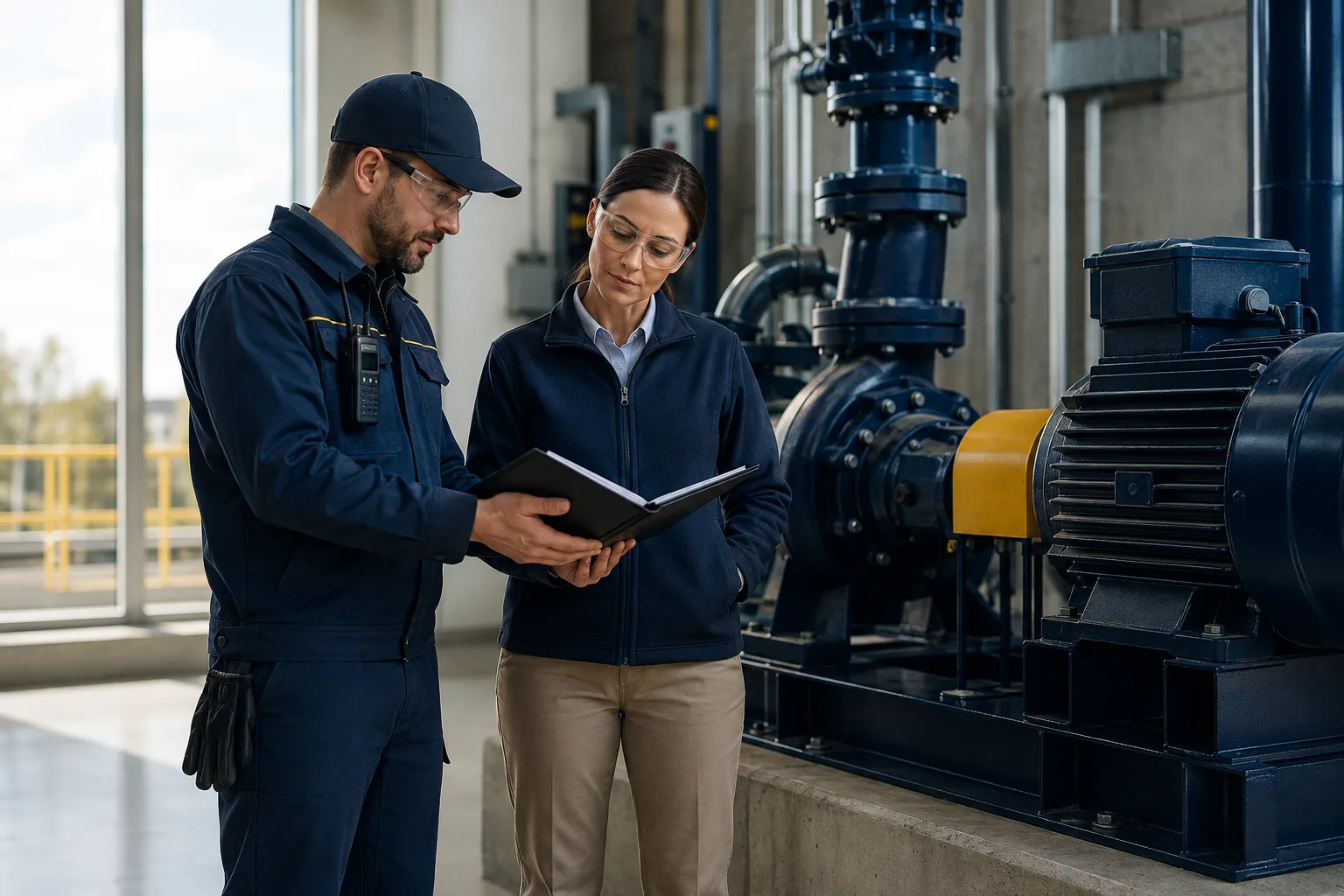
AI-generated editorial illustration; not a customer photograph or product screenshot.
Equipment Maintenance Cost Management
Equipment Maintenance Costs
Maintenance costs include direct labor (technician wages and benefits, contractor services), parts and materials (spare parts inventory, consumables, lubricants, repair materials), equipment and tools (diagnostic equipment, specialized tools, test instruments), and overhead costs (supervision, planning, training, administrative support).
Total Cost of Ownership
Total cost of ownership (TCO) analysis evaluates equipment costs throughout its lifecycle including initial purchase price, installation costs, operating costs (energy, consumables), maintenance costs (preventive and corrective), and disposal costs at end-of-life.
Maintenance-related TCO factors include parts availability and cost, required maintenance frequency and complexity, specialized tools or expertise requirements, and expected service life. Equipment selection based on lowest purchase price often results in higher TCO due to maintenance requirements.
ROI of Proper Maintenance
Well-executed equipment maintenance delivers compelling returns on investment through multiple value streams. Reduced downtime improves productivity and revenue generation. Extended equipment life defers capital replacement costs. Energy efficiency improvements reduce operating costs. Quality consistency reduces scrap and rework.
Budget Planning Guidelines
New equipment requires lower maintenance budgets initially, increasing as equipment ages. Critical equipment justifies higher maintenance investment. Equipment nearing end-of-life may warrant reduced maintenance if replacement is planned.
Cost Reduction Strategies
Optimize maintenance costs without compromising reliability through reliability-centered maintenance focusing resources on critical equipment, predictive maintenance eliminating unnecessary preventive work, energy efficiency improvements reducing operating costs, technician training improving first-time fix rates, parts standardization reducing inventory investment, and vendor management negotiating favorable service agreements.
Avoid false economies like deferring preventive maintenance, which leads to more expensive corrective repairs, using substandard parts that fail prematurely, or inadequate staffing creating maintenance backlogs and equipment degradation.
Equipment Downtime Reduction
Downtime Causes
Age-related failures, inadequate lubrication, worn components beyond service life, and lack of preventive maintenance drive most equipment failures. Addressing these root causes through systematic maintenance programs prevents the majority of unplanned downtime.
Preventive Maintenance Impact
The key is executing preventive maintenance consistently, not deferring scheduled work due to production pressures. Short-term production gains from skipping maintenance lead to longer unplanned downtime later.
Quick Changeover Techniques
Single-Minute Exchange of Die (SMED) and similar quick changeover methodologies reduce planned downtime from changeovers and setups. Techniques include converting internal setup tasks (performed while equipment is stopped) to external tasks (performed while equipment runs), standardizing changeover procedures and tools, using quick-change tooling and fixtures, and practicing changeovers to improve execution speed.
Spare Parts Strategy
Critical spare parts availability dramatically impacts repair speed. Downtime often results from waiting for parts rather than repair complexity. Strategic spare parts inventory for critical equipment with focus on long lead-time items, single-source components, and failure-prone parts reduces parts-related downtime.
Consignment inventory agreements with suppliers, supplier-managed inventory programs, and emergency shipping arrangements provide alternative approaches to internal inventory investment.
Emergency Response Planning
Despite best maintenance efforts, equipment failures will occur. Emergency response planning minimizes resulting downtime through predefined action plans, clear escalation procedures, established vendor relationships for emergency service, backup equipment or systems where appropriate, and cross-trained technicians able to respond to various equipment types.
After-hours contact lists, emergency parts kits, and mobile diagnostic equipment enable rapid response outside normal working hours, when delays are most costly.
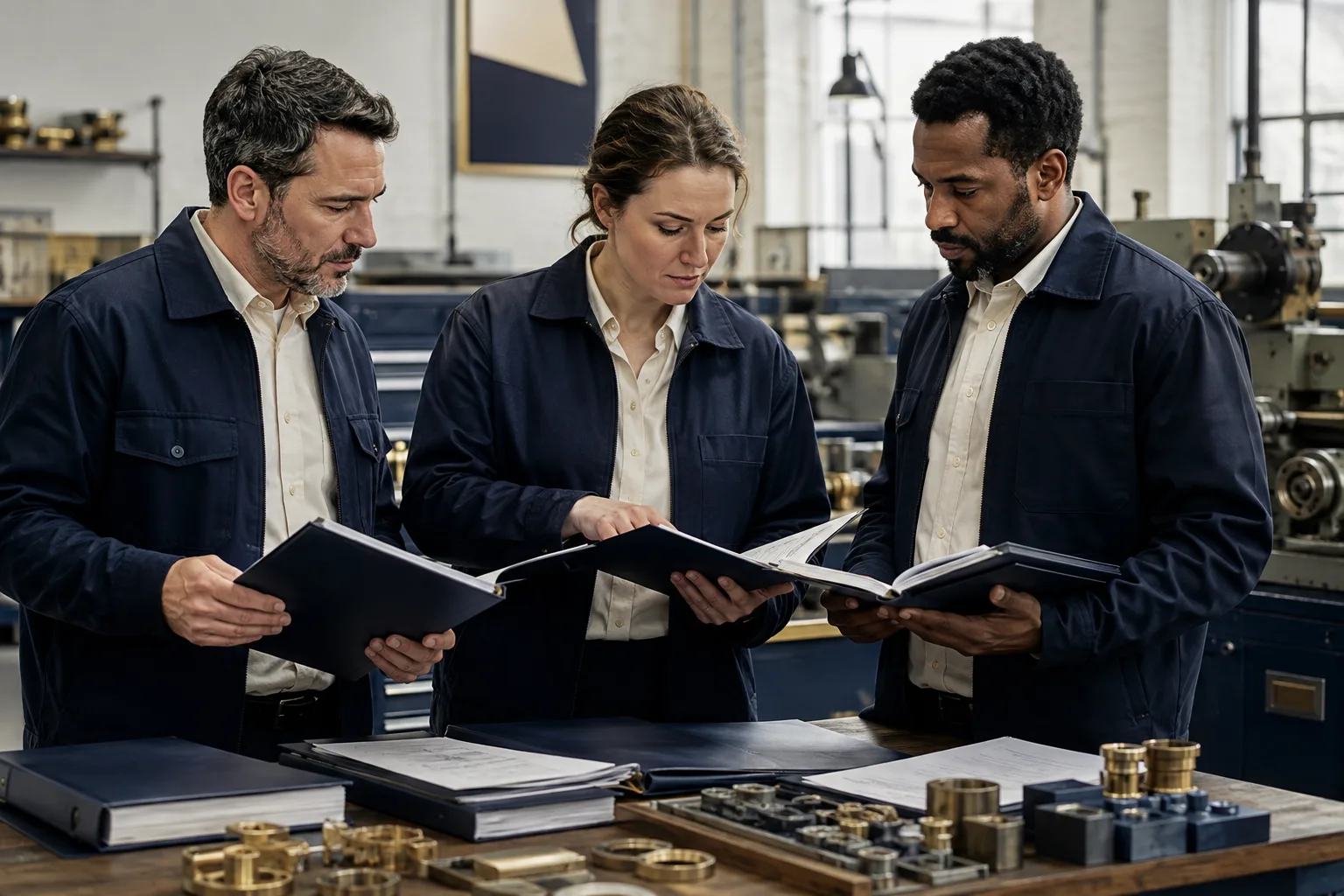
AI-generated editorial illustration; not a customer photograph or product screenshot.
FAQ: Equipment Maintenance
What is equipment maintenance?
Equipment maintenance is the practice of inspecting, servicing, repairing, and optimizing industrial and commercial machinery to ensure reliable operation and prevent failures. It includes preventive tasks performed on schedules, predictive monitoring using sensors and analytics, corrective repairs addressing identified problems, and emergency repairs after failures. Effective maintenance extends equipment lifespan, reduces downtime, improves safety, and optimizes total operating costs.
What are the types of equipment maintenance?
The main types are preventive maintenance (scheduled routine servicing to prevent failures), predictive maintenance (condition monitoring to predict when service is needed), corrective maintenance (repairs addressing identified problems before failure), and reactive maintenance (emergency repairs after failure). Most organizations use a combination of these approaches based on equipment criticality, with critical equipment receiving intensive preventive and predictive maintenance while non-critical equipment may use simpler approaches.
How often should equipment maintenance be performed?
Maintenance frequency depends on equipment type, operating conditions, criticality, and manufacturer recommendations. Typical schedules include daily operator inspections, weekly basic maintenance (lubrication, adjustments), monthly preventive maintenance (detailed inspections, component replacement), quarterly major preventive maintenance, and annual overhauls. High-utilization or critical equipment may require more frequent maintenance, while less critical equipment may have extended intervals. Usage-based maintenance (every X operating hours) often works better than calendar-based scheduling.
What should be included in equipment maintenance?
Comprehensive equipment maintenance includes visual inspections for leaks, damage, and wear; lubrication of moving components; adjustment of belts, chains, and controls; cleaning to remove debris and contamination; filter replacement; seal and gasket replacement; bearing inspection and replacement; electrical connection verification; calibration of instruments and controls; performance testing against specifications; and detailed documentation of all activities. Specific requirements vary by equipment type and industry regulations.
What is the difference between equipment maintenance and repair?
Maintenance is proactive, scheduled work performed to prevent failures and maintain equipment condition. It's planned, budgeted, and executed during convenient downtime to minimize operational impact. Repair is reactive work performed after equipment failure or malfunction. Repairs are typically unplanned, more expensive due to emergency response, involve secondary damage from catastrophic failure, and cause unexpected production interruptions. Effective maintenance programs minimize repair frequency by preventing failures before they occur.
How can I reduce equipment maintenance costs?
Reduce costs without sacrificing reliability by implementing preventive maintenance to prevent costly emergency repairs, using predictive maintenance to eliminate unnecessary work, training operators to perform basic maintenance and catch problems early, standardizing parts to reduce inventory costs, negotiating favorable vendor service agreements, tracking costs by equipment to identify optimization opportunities, conducting root cause analysis to prevent recurring failures, and using CMMS software to improve efficiency. Avoid false economies like deferring maintenance or using substandard parts, which increase long-term costs.
What are equipment maintenance KPIs?
Conclusion
Equipment maintenance represents a strategic organizational capability that directly impacts productivity, profitability, and competitive advantage. The evolution from reactive repairs to comprehensive preventive and predictive strategies enables organizations to maximize equipment reliability while optimizing maintenance costs.
Implementing the practices outlined in this guide requires commitment from organizational leadership, investment in people and systems, and dedication to continuous improvement. Start by establishing complete equipment inventories, assessing criticality, developing preventive maintenance schedules, implementing documentation systems, and training personnel on proper maintenance execution.
Modern maintenance management balances multiple strategies, applying intensive preventive and predictive maintenance to critical equipment while optimizing approaches for less critical assets. Technology platforms including CMMS software and condition monitoring systems provide the infrastructure for data-driven decision-making and continuous optimization.
Equipment maintenance success requires cultural transformation beyond technical implementation. Organizations excelling at maintenance foster cultures where equipment care is everyone's responsibility, operators take ownership of daily equipment condition, technicians have time and resources for proper maintenance execution, and leadership views maintenance as strategic investment rather than necessary expense.
Begin your equipment maintenance journey today by assessing your current state, identifying improvement opportunities, and systematically implementing the strategies and best practices detailed in this guide. Whether you're establishing your first formal maintenance program or optimizing mature systems, the principles of systematic equipment care deliver measurable results.
For more information on related topics, explore our guides on Preventive Maintenance Programs, Predictive Maintenance Technologies, and CMMS Software Selection.